5 Best Adhesives for Plywood in India: Types, Uses & How to Choose

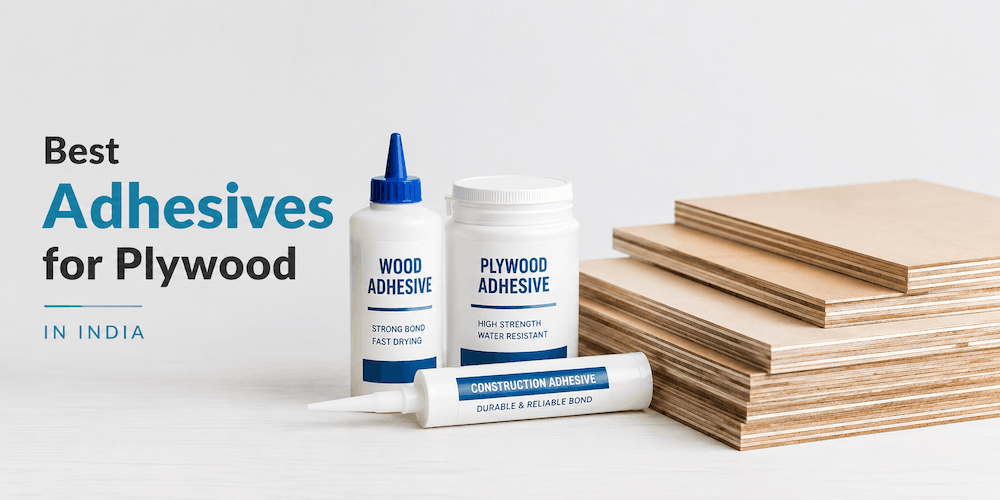
Plywood gets most of the credit for a project's strength, but the adhesive holding its layers together does just as much of the work. Two boards made from the same veneer can perform very differently once they leave the factory, and the adhesive is usually the reason why. Panels come apart at the edges after a season of humidity, boards warp once they are away from a controlled environment, or a batch fails quality checks even though the wood itself was fine.
This guide covers the adhesive types used for plywood manufacturing in India, how they match up against plywood grades, and what to look for when picking one for furniture, panelling, or exterior use.
| Adhesive Type | Best For | Water Resistance | Strength Level | Drying Time | Plywood Grade Match |
|---|---|---|---|---|---|
| Synthetic Resin Adhesive | General plywood manufacturing | Moderate | Strong | Medium | MR, BWR |
| Urea Formaldehyde (UF) | Interior grade plywood | Low | Moderate | Fast to Medium | MR |
| Phenol Formaldehyde (PF) | Exterior and marine plywood | Very High | Very Strong | Medium to Slow | BWP |
| PVA Based Adhesive | Furniture and joinery | Low to Moderate | Strong | Medium | MR |
| D3 Grade Adhesive | High moisture furniture and panels | High | Very Strong | Medium | BWR, BWP |
Synthetic Resin Adhesive
Synthetic resin adhesive is the default choice for general plywood manufacturing in India. It gives manufacturers a workable balance of strength, cost, and ease of application, which is why it shows up across so many production lines handling standard interior and semi structural panels.
Advantages:
- Reliable bonding strength for everyday use
- Cost effective for large volume production
- Easy to apply on standard machinery
- Consistent performance across batches
Limitations:
- Not built for prolonged water exposure
- Less suited to exterior or marine applications
Best Applications:
- General plywood manufacturing
- Blockboard and panel production
- Standard interior furniture components
Urea Formaldehyde (UF) Adhesive
Urea formaldehyde adhesive is the standard choice for interior grade plywood. It bonds well at a lower cost than most alternatives, but it was never designed to handle sustained moisture, so its use should stay confined to indoor settings.
Advantages:
- Cost efficient for interior grade production
- Fast to medium drying time keeps production moving
- Good bond strength for indoor conditions
Limitations:
- Poor performance under sustained humidity or water contact
- Not suitable for exterior or high moisture areas
Best Applications:
- MR grade interior plywood
- Indoor panelling
- Low moisture furniture components
Phenol Formaldehyde (PF) Adhesive
Phenol formaldehyde adhesive is what BWP grade plywood is built around. It holds up under prolonged water exposure far better than urea based systems, which is why it remains the standard for exterior and marine grade plywood in India.
Advantages:
- Excellent resistance to water and humidity
- Holds up under repeated wet and dry cycles
- Strong long term durability outdoors
Limitations:
- Slower curing than synthetic resin systems
- Generally priced higher than interior grade adhesives
Best Applications:
- BWP grade exterior plywood
- Marine and boat building applications
- Outdoor panels and structural woodwork
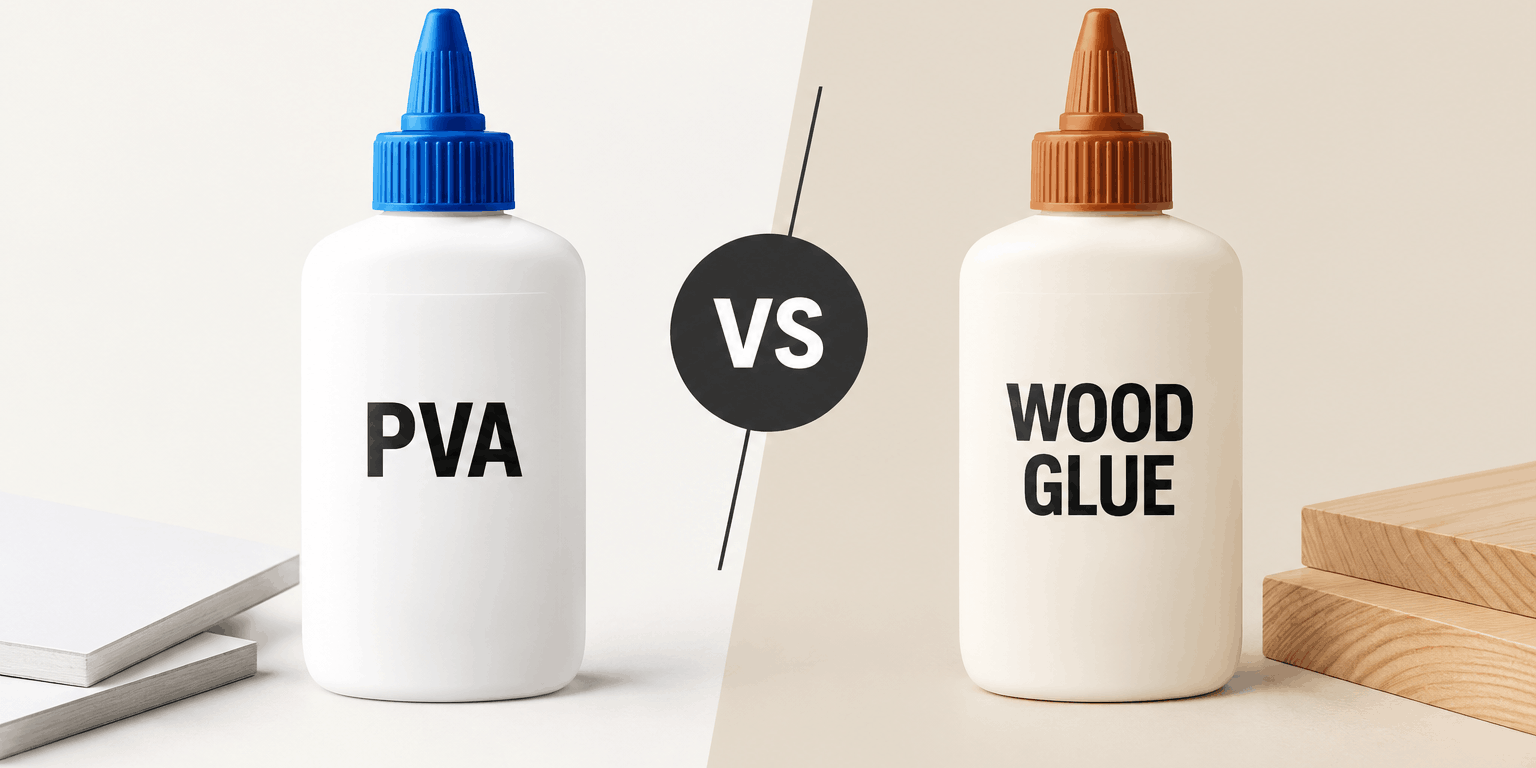
PVA Based Adhesive
Recommended Products:
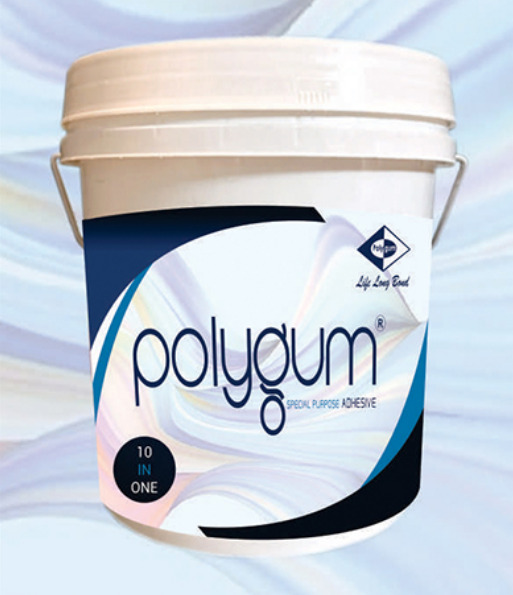
POLYGUM Special Purpose Adhesive
Request quote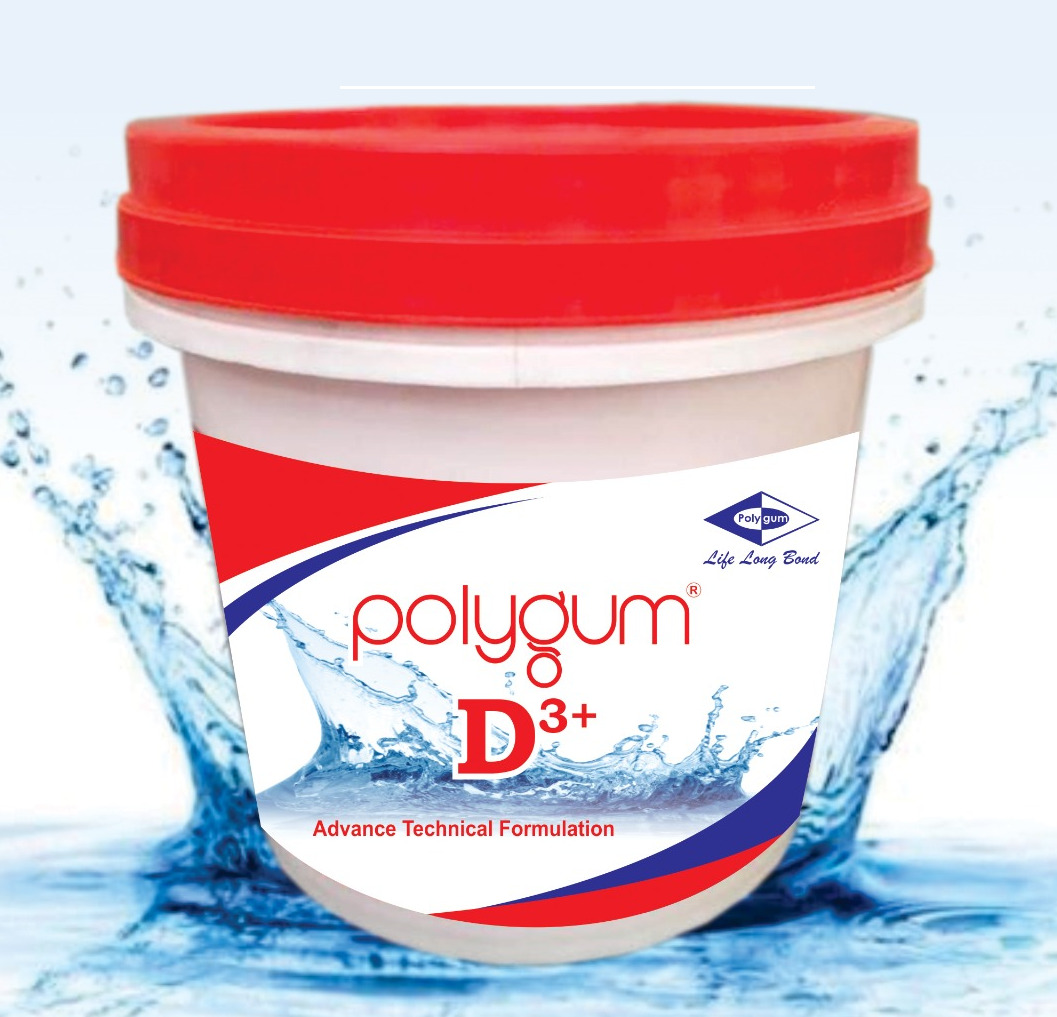
POLYGUM D3+ Adhesive
Request quote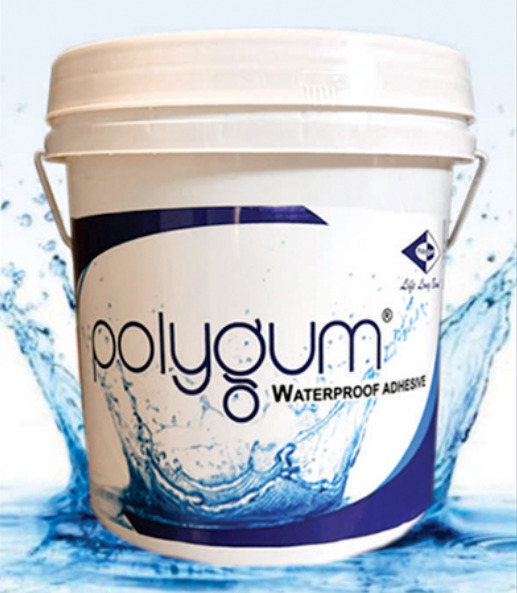
POLYGUM Waterproof Adhesive
Request quote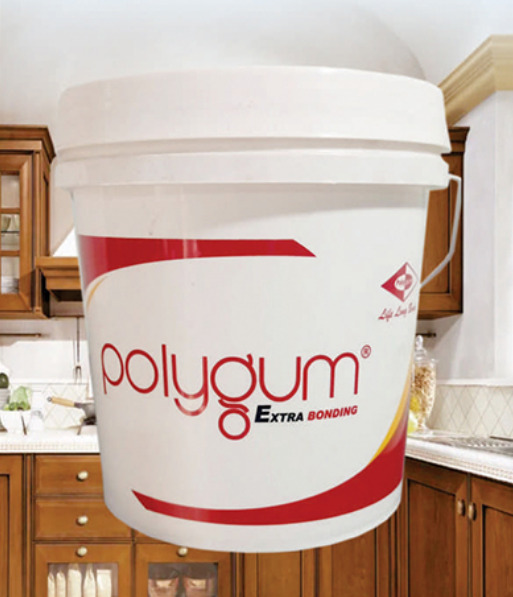
POLYGUM Extra Bonding Adhesive
Request quote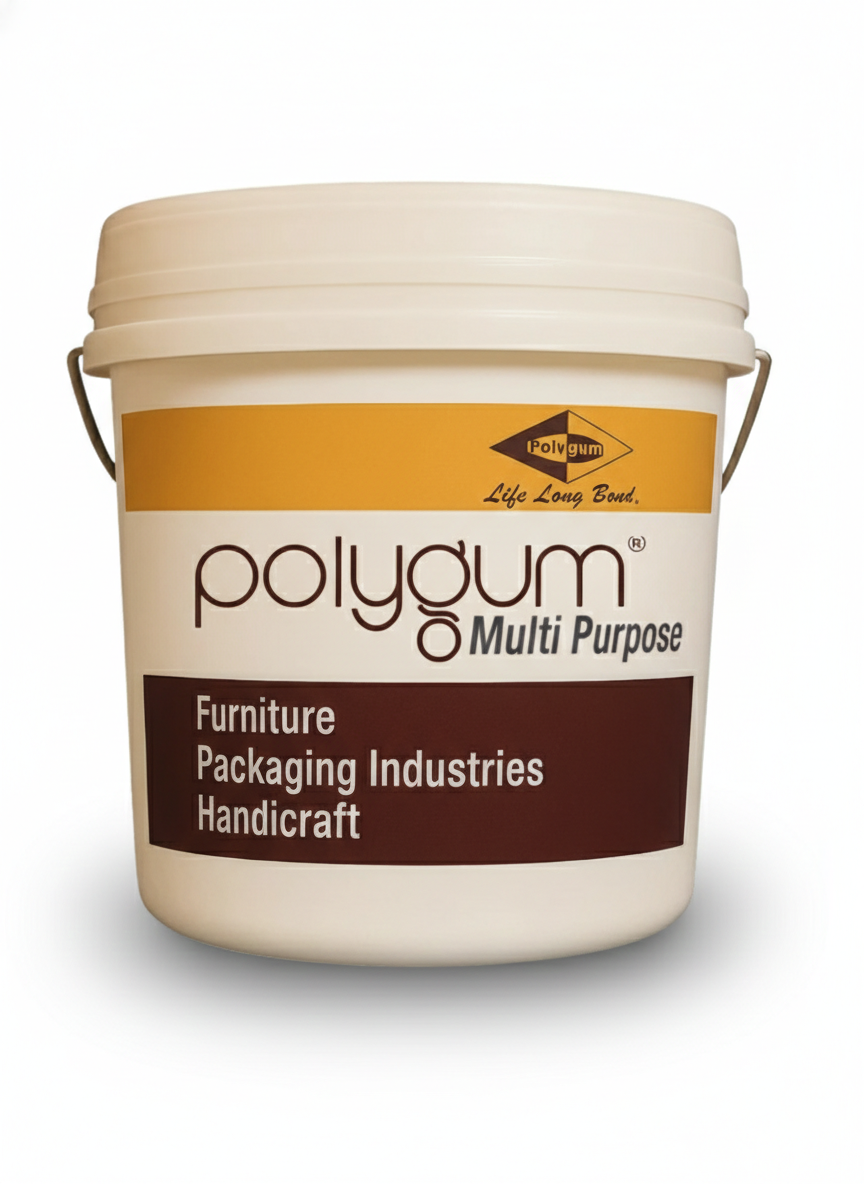
POLYGUM Multipurpose Adhesive
Request quote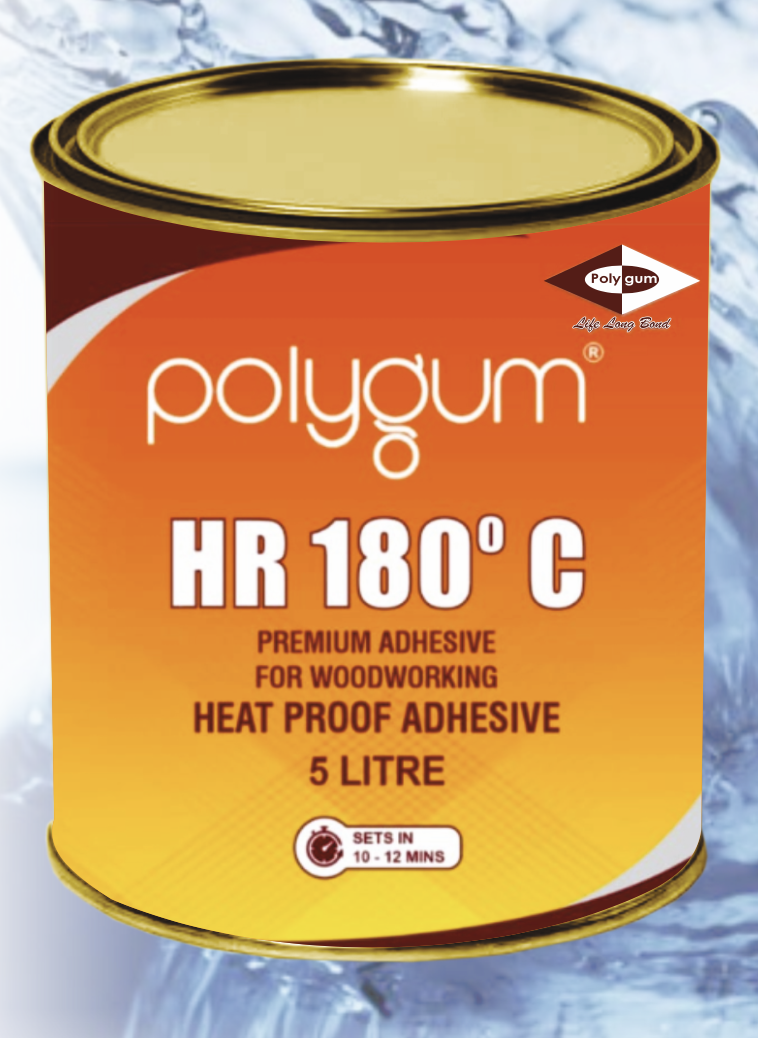
POLYGUM Heat Proof SR
Request quote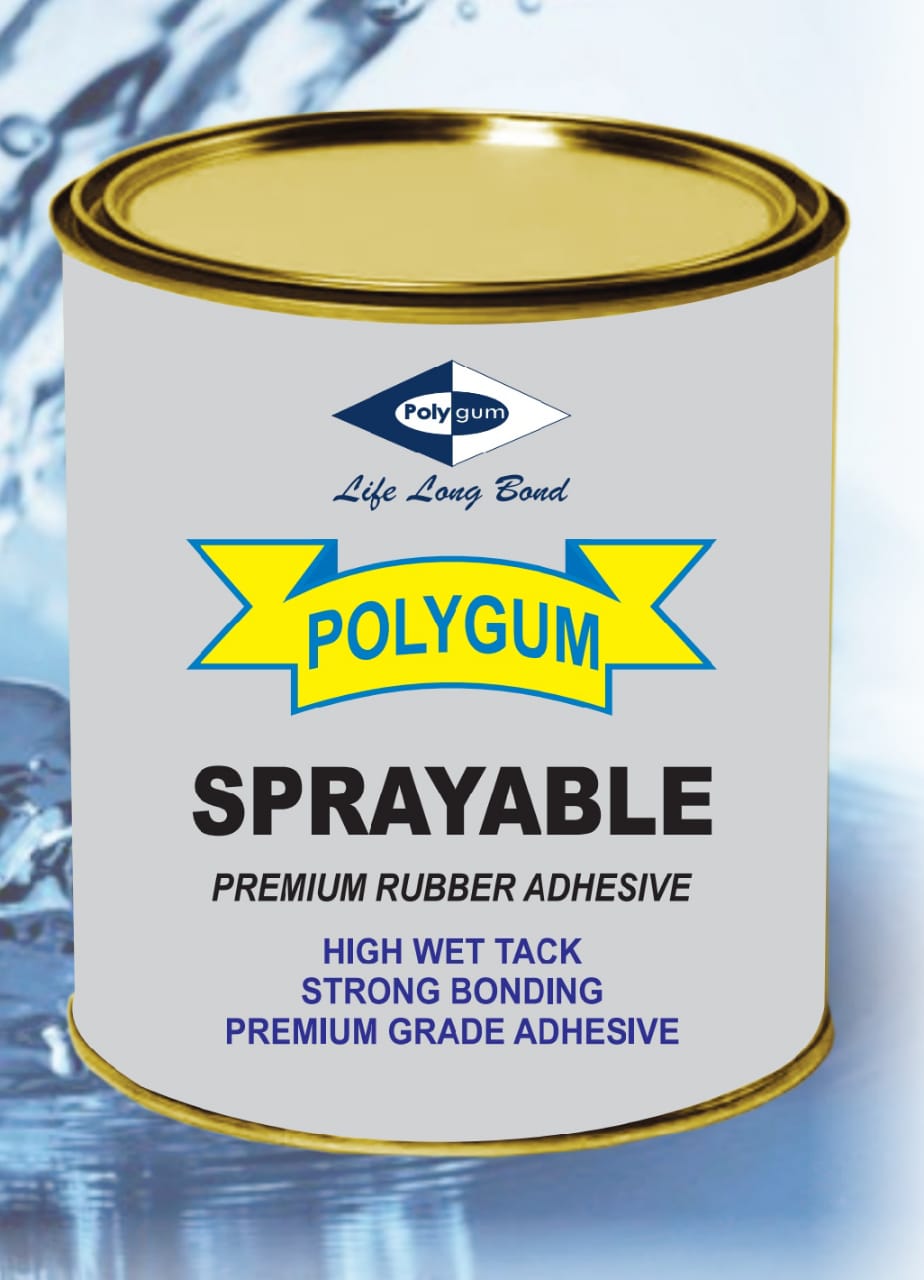
POLYGUM Sprayable
Request quote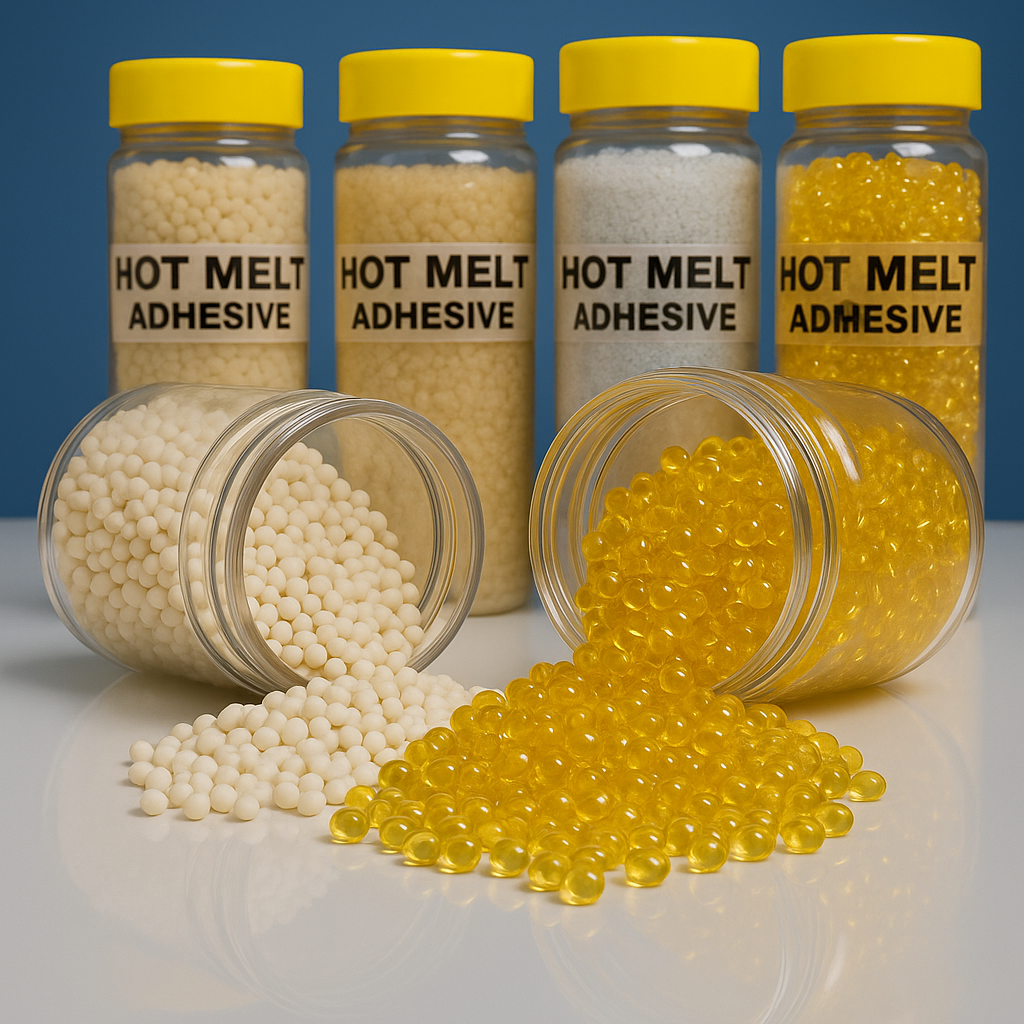
POLYGUM Hot Melt Adhesive
Request quotePVA based adhesive is common in furniture manufacturing where plywood needs a clean finish and manageable working time more than extreme moisture resistance. It is straightforward to handle on the shop floor and sands well once cured.
Advantages:
- Easy to apply and handle during assembly
- Dries clear for a clean finished look
- Good working time for joinery work
Limitations:
- Limited resistance to prolonged water exposure
- Not intended for exterior grade plywood
Best Applications:
- Furniture assembly
- Cabinetry and joinery
- Indoor woodworking projects
D3 Grade Adhesive
D3 grade adhesive uses cross linked polymer systems to reach a level of water resistance that sits above standard interior adhesives, without the handling complexity of phenolic resins. It has become a preferred option for furniture and panels that see regular moisture but do not need full exterior grade protection.
Advantages:
- Strong water resistance for a furniture grade adhesive
- Meets D3 bonding standards for demanding indoor use
- Good balance of strength and workability
Limitations:
- Priced higher than basic synthetic resin or UF adhesives
- Not a substitute for BWP grade in true exterior applications
Best Applications:
- Kitchen and bathroom furniture
- BWR grade panels
- Premium furniture and joinery
Matching Adhesive to Plywood Grade
Recommended Products:
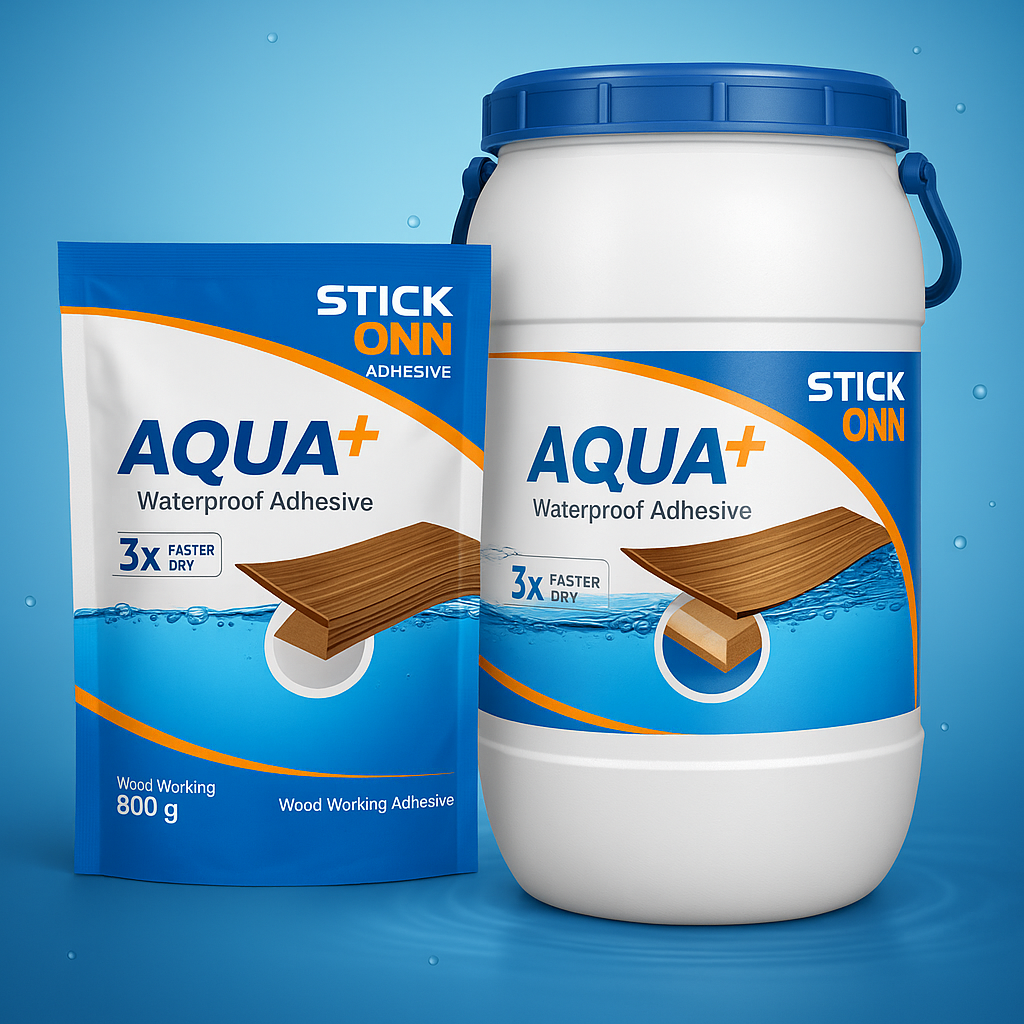
STICK-ONN Aqua+
Request quotePOLYGUM Extra Bonding Adhesive
Request quote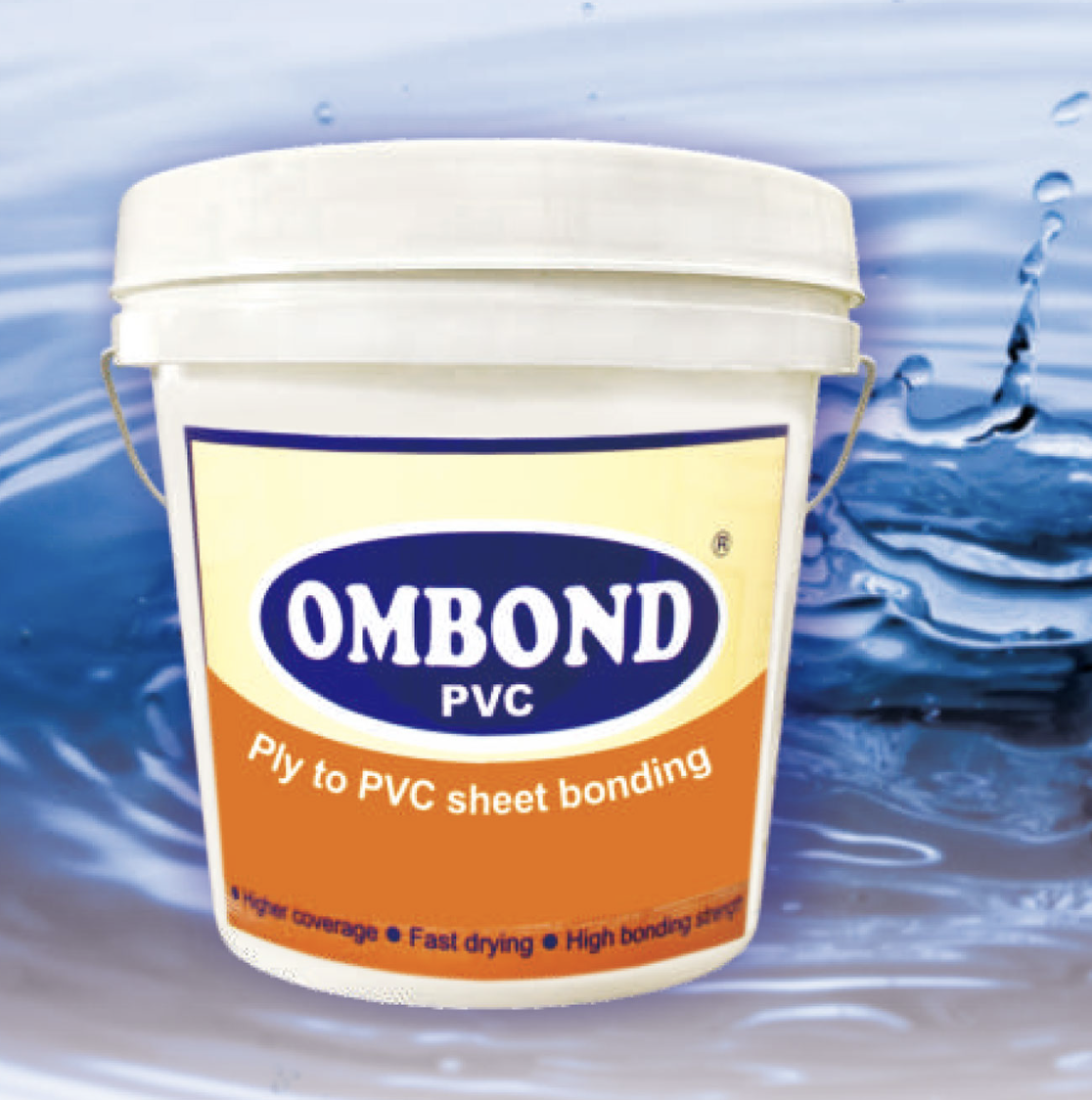
OMBOND PVC Adhesive
Request quoteMR Grade Plywood
Recommended Products:
STICK-ONN Aqua+
Request quotePOLYGUM Extra Bonding Adhesive
Request quoteOMBOND PVC Adhesive
Request quoteMR, or Moisture Resistant, plywood is meant for interior use where some humidity is expected but sustained water contact is not. Urea formaldehyde and standard synthetic resin adhesives are the usual fit.
BWR Grade Plywood
Recommended Products:
STICK-ONN Aqua+
Request quotePOLYGUM Extra Bonding Adhesive
Request quoteOMBOND PVC Adhesive
Request quoteBWR, or Boiling Water Resistant, plywood needs to handle higher humidity and occasional splashing, which is where D3 grade or modified synthetic resin adhesives come in.
BWP Grade Plywood
Recommended Products:
STICK-ONN Aqua+
Request quotePOLYGUM Extra Bonding Adhesive
Request quoteOMBOND PVC Adhesive
Request quoteBWP, or Boiling Waterproof, plywood is built for exterior and marine use, facing direct and sustained water exposure. Phenol formaldehyde adhesive is the standard here, since nothing else in common use matches its long term water resistance.
Frequently Asked Questions
Which adhesive is best for plywood in India?
It depends on the application. Synthetic resin adhesive suits general purpose plywood, while D3 grade or phenol formaldehyde adhesives are better suited to moisture heavy or exterior use.
Is PVA glue good for plywood?
Yes, particularly for furniture and interior woodworking where a clean finish and easy handling matter more than heavy moisture resistance.
What adhesive is used for waterproof plywood?
Phenol formaldehyde adhesive is the standard for BWP grade waterproof plywood, while D3 grade adhesive offers a strong middle ground for high moisture furniture applications.
What is the difference between BWR and BWP grade adhesive?
BWR grade adhesives handle higher humidity and occasional water exposure, while BWP grade adhesives are built for sustained water contact in exterior or marine settings.
Can plywood adhesive be customized for specific manufacturing needs?
Yes, many manufacturers offer customization around viscosity, curing time, and bond strength to match specific production setups.
Final Verdict: Which Adhesive Is Best for Plywood?
Recommended Products:
STICK-ONN Aqua+
Request quotePOLYGUM Extra Bonding Adhesive
Request quoteOMBOND PVC Adhesive
Request quoteThe right plywood adhesive depends on the grade of plywood and where it will end up:
- For general plywood manufacturing: Synthetic resin adhesive
- For interior grade plywood: Urea formaldehyde adhesive
- For exterior and marine plywood: Phenol formaldehyde adhesive
- For furniture and joinery: PVA based adhesive
- For high moisture furniture and BWR panels: D3 grade adhesive
Matching the adhesive to the plywood grade and end use is what separates a panel that lasts for years from one that starts giving trouble within a season. If you are evaluating adhesive options for your next production run, Synergy Bonding manufactures across this full range, from synthetic resin and D3 grade to phenol formaldehyde and waterproof formulations, with samples available for testing before any bulk order.