PVA vs Wood Glue: What's the Real Difference?

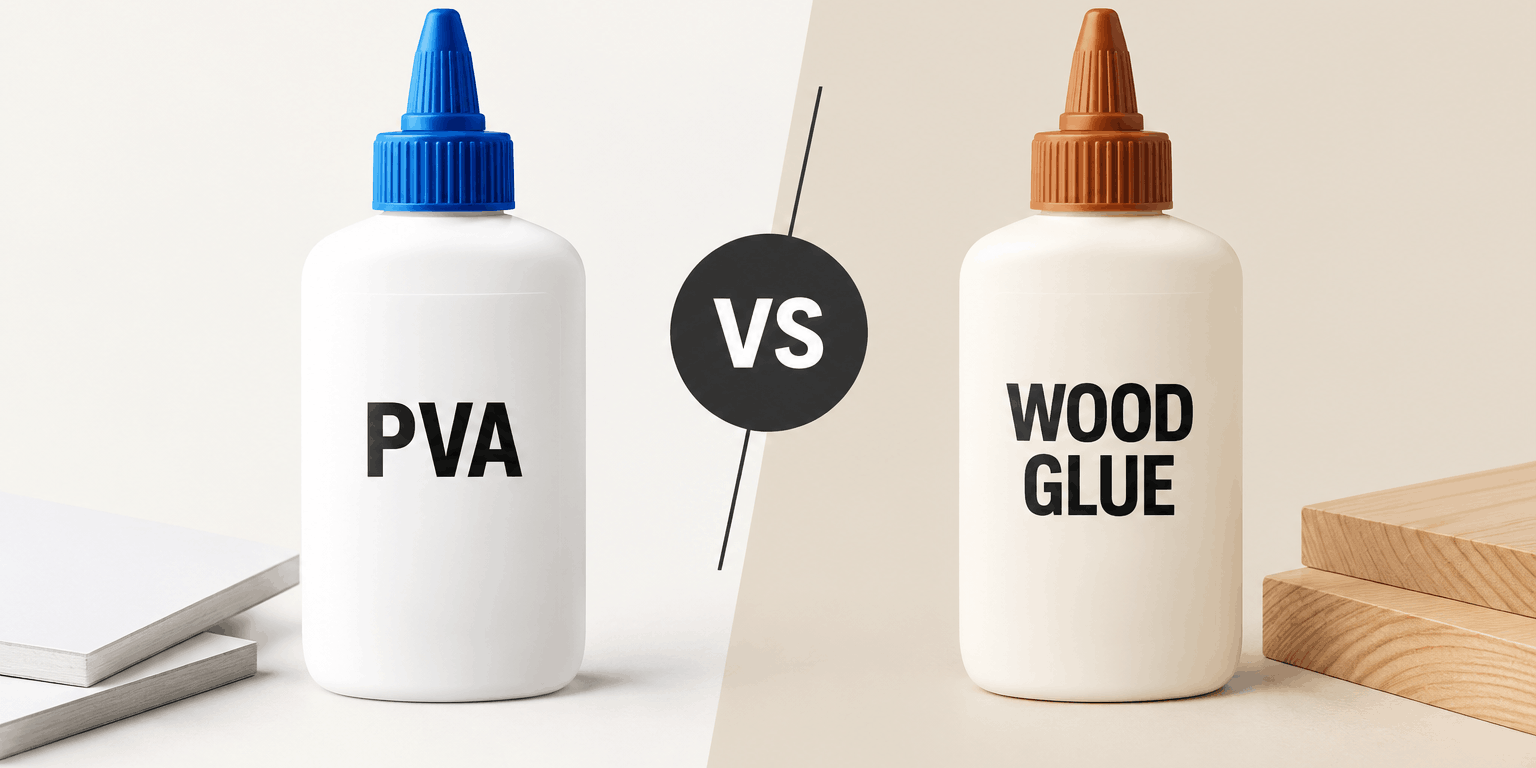
Wood glue is, in most cases, a type of PVA. But the term "PVA glue" in everyday use usually points to the white, general-purpose glue found in stationery shops and craft kits, while "wood glue" refers to the yellow aliphatic resin adhesive built specifically for joining timber. They share a chemical family but are formulated for very different jobs.
This article breaks down where they overlap, where they diverge, and which one actually belongs in your workshop or production line.
What Is PVA Glue?
Recommended Products:
POLYGUM Special Purpose Adhesive
Request quote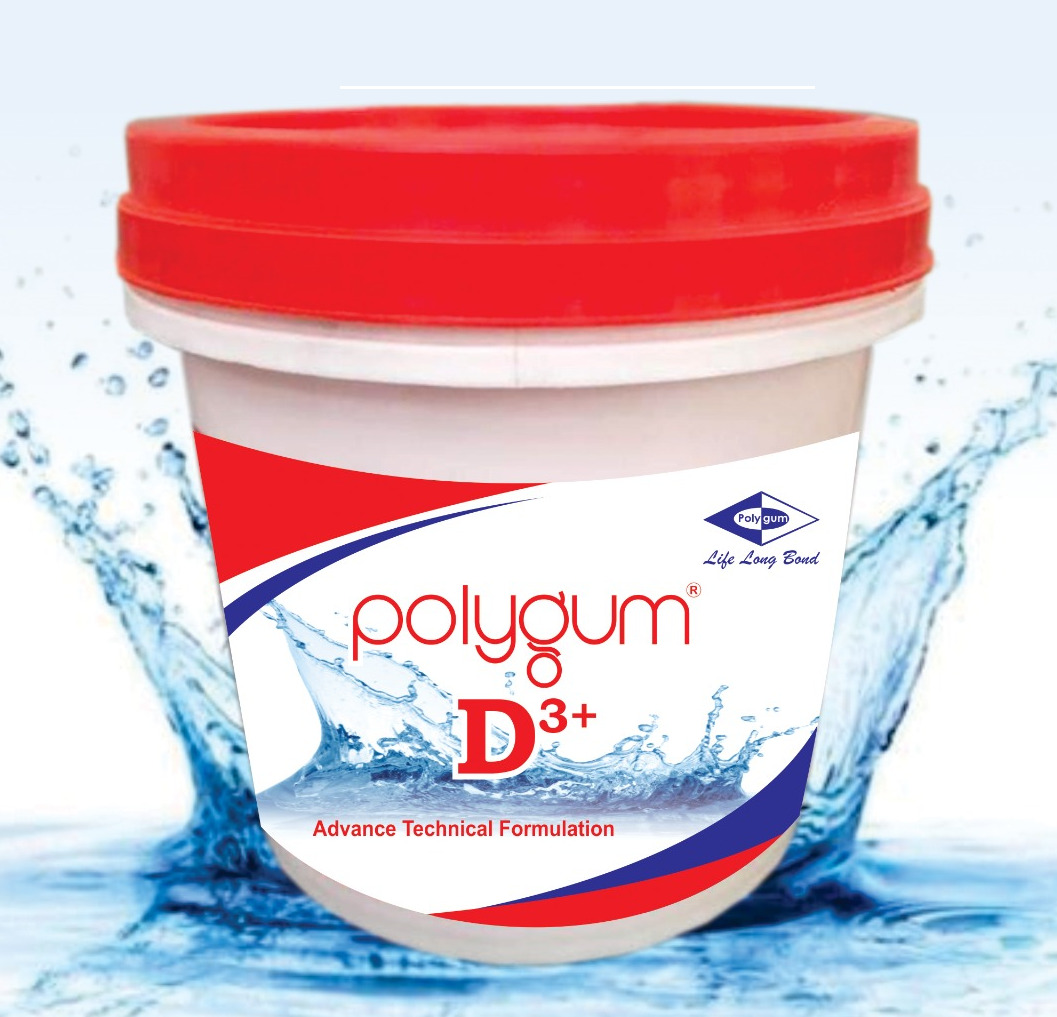
POLYGUM D3+ Adhesive
Request quote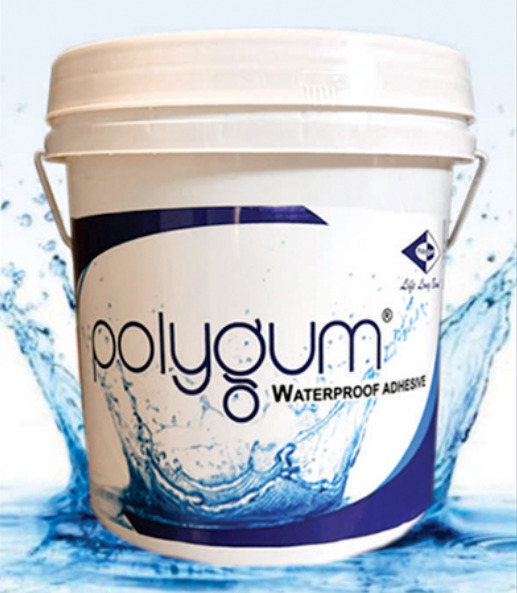
POLYGUM Waterproof Adhesive
Request quote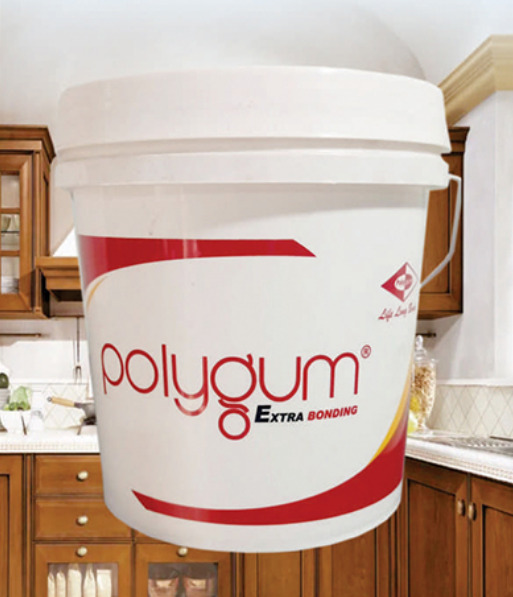
POLYGUM Extra Bonding Adhesive
Request quote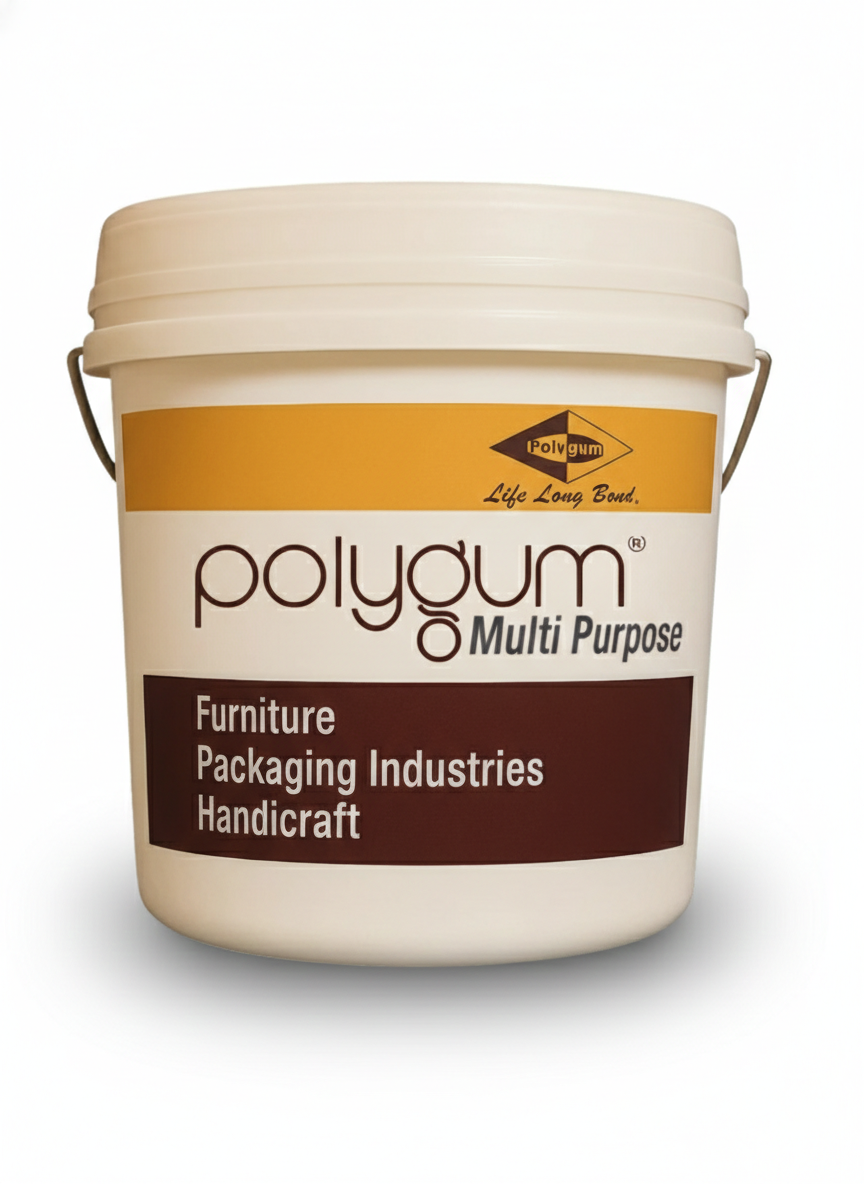
POLYGUM Multipurpose Adhesive
Request quote
POLYGUM Heat Proof SR
Request quote
POLYGUM Sprayable
Request quote
POLYGUM Hot Melt Adhesive
Request quotePVA stands for polyvinyl acetate, a synthetic polymer that exists as a milky white emulsion. When it dries, the water evaporates and the polymer particles fuse into a clear, flexible film that holds surfaces together.
Standard PVA glue is designed to be a jack of all trades. It is the glue most people grew up using in school, and its industrial version shows up in bookbinding, carton sealing, paper lamination, and general craft or packaging work. It bonds porous materials reasonably well, dries clear, and is easy to clean up with water before it sets.
What it is not built for is heavy structural load on wood. General PVA can hold light wood joints together, but it was never engineered with the tack, open time, or moisture resistance that furniture and joinery work demand.
What Is Wood Glue?
Wood glue is a modified version of PVA, usually referred to as an aliphatic resin adhesive, and it is formulated specifically to perform on timber and engineered wood. The base chemistry is similar to standard PVA, but the formulation is adjusted for faster initial tack, a stronger cured bond, better resistance to creep under sustained load, and in many grades, improved resistance to moisture.
This is the glue used across furniture manufacturing, joinery, cabinet assembly, and plywood or panel work, where the bond needs to hold under weight, vibration, and years of daily use. It also sands and finishes cleanly once cured, which matters when the joint is visible in the final piece.
PVA vs Wood Glue: Quick Comparison
Recommended Products:
POLYGUM Special Purpose Adhesive
Request quotePOLYGUM D3+ Adhesive
Request quotePOLYGUM Waterproof Adhesive
Request quotePOLYGUM Extra Bonding Adhesive
Request quotePOLYGUM Multipurpose Adhesive
Request quotePOLYGUM Heat Proof SR
Request quotePOLYGUM Sprayable
Request quotePOLYGUM Hot Melt Adhesive
Request quote| Property | PVA (White Glue) | Wood Glue (Yellow Glue) |
|---|---|---|
| Base chemistry | Polyvinyl acetate emulsion | Modified PVA (aliphatic resin) |
| Bond strength on wood | Moderate, adequate for light duty | High, built for structural wood joints |
| Moisture resistance | Low to moderate | Moderate to high, depending on grade |
| Open and drying time | Slower tack, longer working time | Faster initial grab, quicker handling time |
| Sandability once cured | Can gum up sandpaper | Sands cleanly |
| Dry colour | Clear | Clear to pale yellow |
| Typical applications | Paper, cardboard, craft, general bonding | Furniture, cabinetry, plywood, joinery |
| Cost | Generally lower | Slightly higher, reflects specialised formulation |
Where PVA Falls Short for Woodworking?
Recommended Products:
POLYGUM Special Purpose Adhesive
Request quotePOLYGUM D3+ Adhesive
Request quotePOLYGUM Waterproof Adhesive
Request quotePOLYGUM Extra Bonding Adhesive
Request quotePOLYGUM Multipurpose Adhesive
Request quotePOLYGUM Heat Proof SR
Request quotePOLYGUM Sprayable
Request quotePOLYGUM Hot Melt Adhesive
Request quoteThe main issue with using standard PVA on furniture or structural wood joints is creep. Under sustained load, a joint bonded with general PVA can shift slightly over time, which is a problem in chair frames, cabinet joints, or anything that carries repeated weight or stress.
There is also the moisture question. Most standard PVA formulations are not built to handle humidity swings or occasional water contact, which rules them out for kitchen units, bathroom furniture, or anything used in India's more humid regions. And because the open time tends to run longer, production lines that need fast clamp-and-release cycles often find general PVA too slow for the job.
Where Wood Glue Outperforms?
Wood glue closes most of these gaps. The faster tack means shorter clamping cycles, which matters on any production line trying to keep throughput up. The cured bond resists creep far better, so joints stay tight under load instead of loosening over months of use.
Certain wood glue grades, including D3 and waterproof formulations, are built to handle humidity cycles and occasional water exposure, which makes them a better fit for Indian conditions where monsoon humidity is a real factor in furniture longevity. For anyone assembling plywood panels or engineered board, the adhesive grade needs to match the plywood type it is being used with, since interior and exterior grade panels call for different levels of moisture resistance.
Isn't Wood Glue Just PVA With a Different Label?
Recommended Products:
POLYGUM Special Purpose Adhesive
Request quotePOLYGUM D3+ Adhesive
Request quotePOLYGUM Waterproof Adhesive
Request quotePOLYGUM Extra Bonding Adhesive
Request quotePOLYGUM Multipurpose Adhesive
Request quotePOLYGUM Heat Proof SR
Request quotePOLYGUM Sprayable
Request quotePOLYGUM Hot Melt Adhesive
Request quoteThis is worth addressing directly since it is the exact question most people searching this topic actually have. Yes, wood glue is a PVA derivative at the chemical level. But calling it "just PVA" understates how much the formulation changes for wood-specific use. The additives that improve tack speed, reduce creep, and boost water resistance are what separate a glue that can hold a chair joint together for a decade from one that starts failing under normal use within a year.
Think of it the way you would think of steel versus stainless steel. Both start from the same base material, but the modifications made for a specific purpose change what each one is actually good for.
Choosing the Right One for Your Application
If the job involves paper, cardboard, labelling, or general craft work, standard PVA is the right and more economical choice. There is no reason to pay for wood-specific performance you will never use.
If the job involves furniture assembly, cabinet work, joinery, or plywood and panel bonding, wood glue is the safer call, and the specific grade should be chosen based on exposure conditions. Interior furniture with no moisture exposure can often run on a standard wood glue grade, while kitchen, bathroom, or outdoor applications need a D3 or waterproof formulation.
For structural bonding needs that go beyond wood entirely, such as bonding dissimilar or load-bearing materials, it is worth looking at how epoxy and polyurethane adhesives compare, since those chemistries solve a different set of problems than any PVA-based glue can.
Frequently Asked Questions
Can I use PVA glue for wood?
You can, for light, low-stress applications like craft projects or non-structural repairs. For furniture, cabinetry, or anything load-bearing, a dedicated wood glue will hold up far better over time.
Is wood glue waterproof?
Not all of it. Standard wood glue offers some moisture resistance but is not waterproof. If the application involves regular water exposure, a D3-rated or waterproof-specific grade is needed.
Which dries faster, PVA or wood glue?
Wood glue generally has a faster initial tack and shorter clamping time. Standard PVA tends to have a longer open time, which can actually be useful for craft work that needs more positioning time before it sets.
Can wood glue be used for paper or cardboard?
It is not the ideal choice. Wood glue is thicker and formulated for porous wood surfaces, so standard PVA will give cleaner, more economical results on paper-based materials.
In Short
PVA and wood glue share a chemical backbone but are built for different jobs. PVA is the general-purpose option for paper, packaging, and light craft use. Wood glue is the modified, wood-specific version engineered for the tack, strength, and moisture resistance that furniture and joinery work actually need. Matching the right one to the application, and the right grade within that category to the exposure conditions, is what determines whether a joint lasts for years or starts failing within a season.
If you are sourcing adhesive in bulk for furniture or wood processing and want help matching the right grade to your production setup, Synergy Bonding's wood adhesive range covers PVA, D3, and waterproof formulations with samples available before any bulk order.